

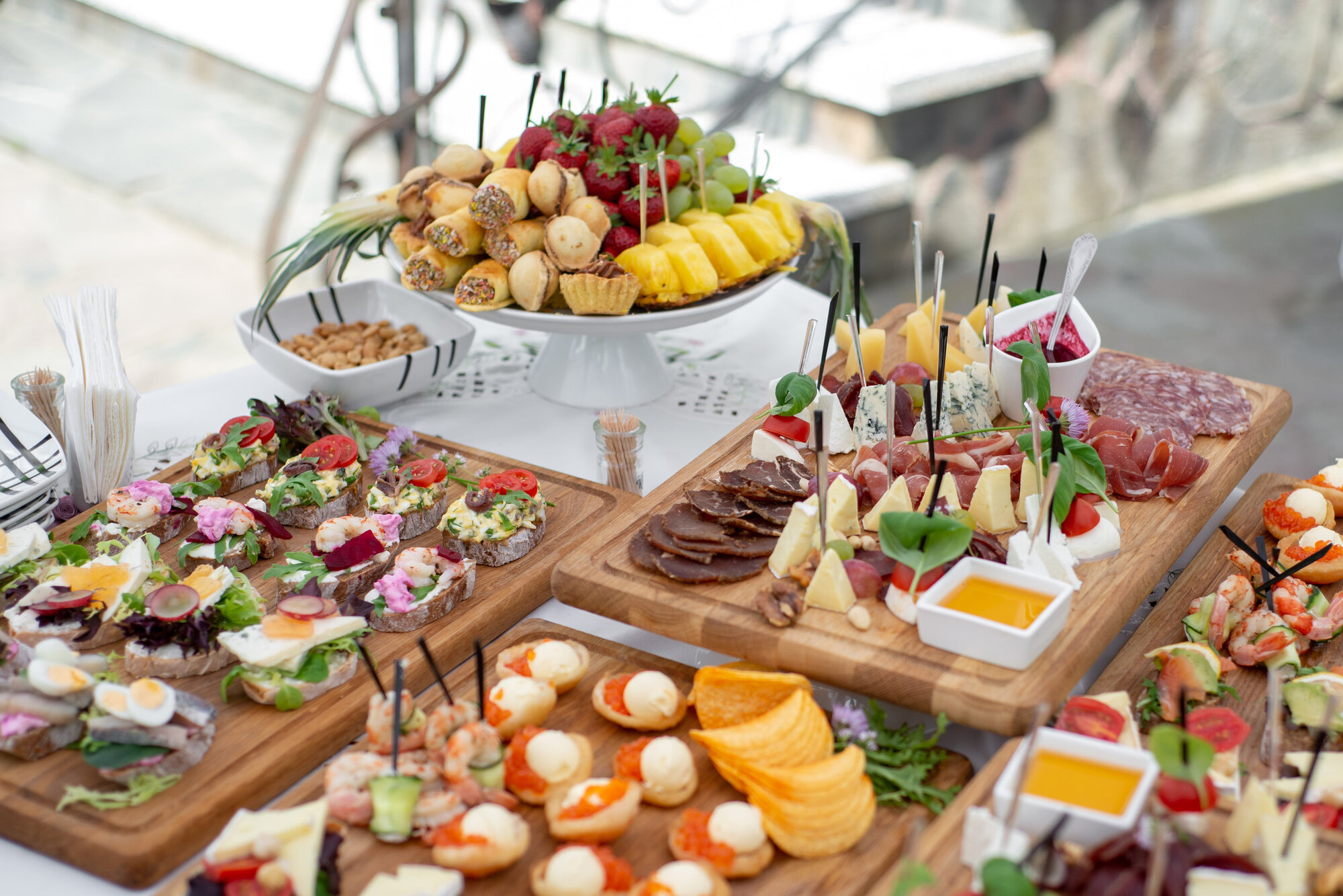
Late-night events often buzz with excitement, offering catering that promises to feed the fun. Yet beneath the surface lurk hidden dangers, risks easily overlooked in the dimmed lights and festive atmosphere. After-hours catering encounters unique challenges, including unregulated food safety practices.
These can lead not only to health hazards but also to compromising your event’s success and guests’ well-being. One critical area demanding a closer look is food handling, where regulations might fall by the wayside after traditional hours.
Unregulated Food Safety Practices
At the heart of after-hours catering is a dangerous assumption: that “ready-to-eat” foods are safe from the moment they leave manufacturing to when you consume them. Yet, break this chain at any point, through lax reheating protocols or environmental controls, and safety becomes an illusion. Once products like cooked meat exit their sterile packaging and interact with less-than-sanitized utensils or cutting boards, risks escalate; refrigeration units operating above 41 °F also entice harmful bacteria such as Listeria monocytogenes.
It’s crucial to not just trust supplier labels but also ensure food never strays beyond that critical 5 °C mark in storage. Moreover, if contamination occurs earlier on, think inadequate plant sanitation escaping detection, then the final bastion of defense rests firmly in proper reheating practices within retail and foodservice circles. Reheat your sous vide chicken or roast beef to at least 165 °F before serving to obliterate lurking pathogens, since skirting this step can spell disaster for consumer health.
Without these rigorous standards, your late-night catered meal could harbor unseen dangers. Consequently, it may not be one of the best late night eats in Chicago.
Compromised Ingredient Freshness
In after-hours catering, compromised ingredient freshness is a significant issue that often goes overlooked. Late-night events may lead to vendors delivering produce long before it’s used, causing items like vegetables and seafood to sit out for extended periods. A study from the Food Safety Magazine indicated that perishable food items have a 5% higher risk of spoilage if not stored properly within recommended time frames.
In addition, an industry survey found that over 30% of catered events had lapses in maintaining optimal temperature for fresh ingredients during set-up and service times. Chic Chef Catering strictly monitors refrigeration units with digital sensors, ensuring temperatures remain within safe thresholds until consumption. They also implement ‘just-in-time’ delivery systems paired with on-site preparation to reduce the duration goods are potentially exposed at room temperature, minimizing risks linked to bacterial growth or degradation in quality.
If you’re hosting an event outside typical business hours, ensure your caterer adheres to stringent food safety protocols, making certain guests enjoy only top-quality dishes at all times.
After-hours catering by Chic Chef Catering presents unique risks such as food safety concerns, staffing shortages, and potential legal issues. Vigilant planning is key to mitigating these hazards. This ensures that gatherings remain both delightful and safe for everyone involved.
Trust your events with professionals who prioritize health standards and adhere strictly to operational regulations, even when the sun sets, because peace of mind tastes just as good as the culinary creations on offer. Let’s make every meal memorable for all the right reasons.
